Pennsylvania’s Floor Coating Experts. Durable. Slip-Resistant. Installed in One Day [Get Free Quote]

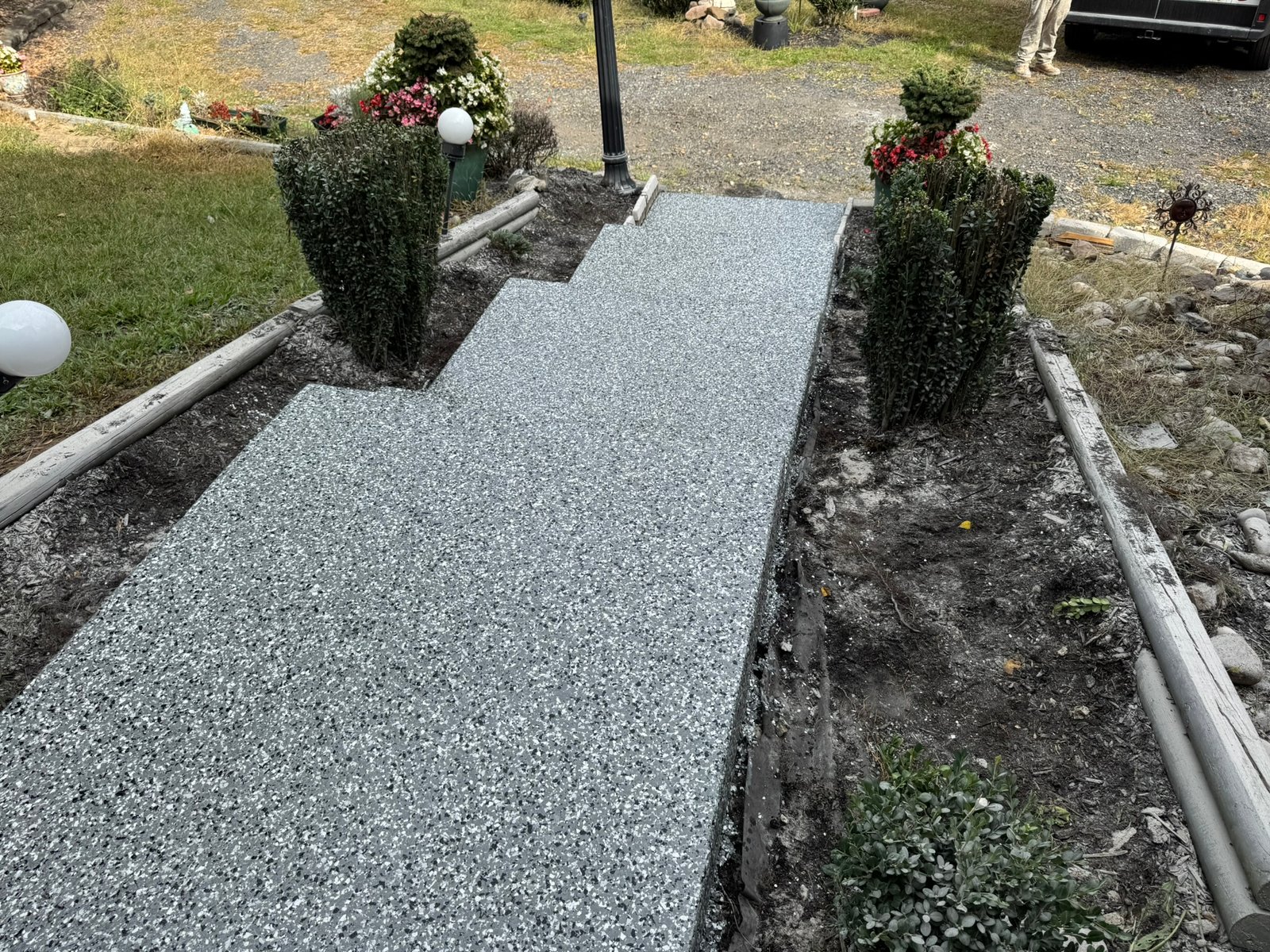
One of the best things about a polyaspartic floor coating is how little maintenance it actually needs.
This material is engineered to handle hot tires, moisture, UV light, and impact — things that destroy ordinary concrete or epoxy coatings.
Still, like any surface that sees daily use, it performs best when it’s cared for properly.
Fortunately, maintaining it doesn’t take much time or effort — just a few simple habits that keep it looking as good as the day it was installed.
At Flake Pro Coatings, we’ve seen hundreds of floors last 15+ years with basic upkeep. Here’s exactly how.
Polyaspartic coatings are seamless and nonporous, so dust and dirt stay on top instead of getting trapped in pores or grout lines.
Sweep or dry mop your floor once or twice a week to remove grit that could dull the surface over time.
For garages or patios, a quick rinse with a hose or a damp mop is usually enough.
If you want to deep-clean, use warm water and a neutral-pH cleaner — not harsh chemicals or degreasers.
Avoid soap-based cleaners: they can leave a slippery film that attracts dirt.
Keywords: cleaning polyaspartic floor, nonporous coating, pH-neutral cleaner.
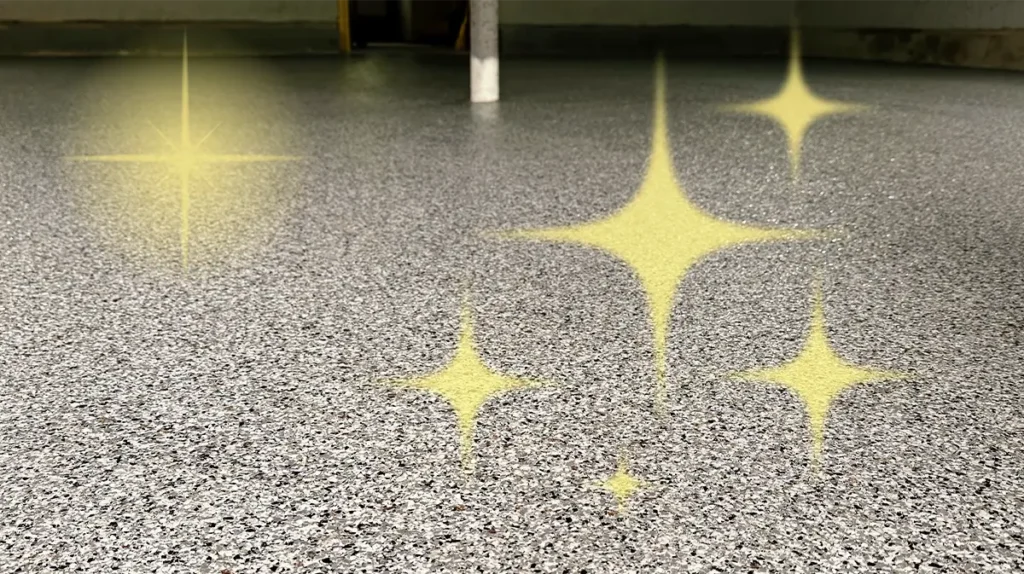
Polyaspartic coatings are tough, but sharp or metal objects can still scratch them under heavy pressure.
To prevent damage:
These small habits prevent surface marks and help the topcoat retain its clear, glossy finish for years.
Keywords: polyaspartic topcoat protection, scratch prevention, garage floor care.
Even though polyaspartic coatings are chemical and stain resistant, it’s best to wipe spills promptly — especially automotive fluids, gasoline, or harsh cleaners.
Doing this keeps the gloss consistent and prevents surface dullness over time.
A soft cloth or microfiber mop usually does the job. No need for solvents — water and mild detergent are enough.
For patios and pool decks, polyaspartic coatings are UV-stable and waterproof, but outdoor debris like leaves and dust can dull the surface visually.
Use a blower or broom regularly, and rinse occasionally with water.
In winter, avoid rock salt with harsh chemicals — use calcium chloride instead. It’s safer for both the floor and nearby landscaping.
Every few years, consider:
A polyaspartic floor doesn’t need constant care — just smart care.
It’s designed for people who want beauty and strength without the headache of maintenance.
By keeping it clean, protecting against sharp impacts, and checking it once in a while, you’ll enjoy a flawless floor for decades.
It’s the simplest investment you’ll ever make in your home — and one of the most rewarding.