Pennsylvania’s Floor Coating Experts. Durable. Slip-Resistant. Installed in One Day [Get Free Quote]

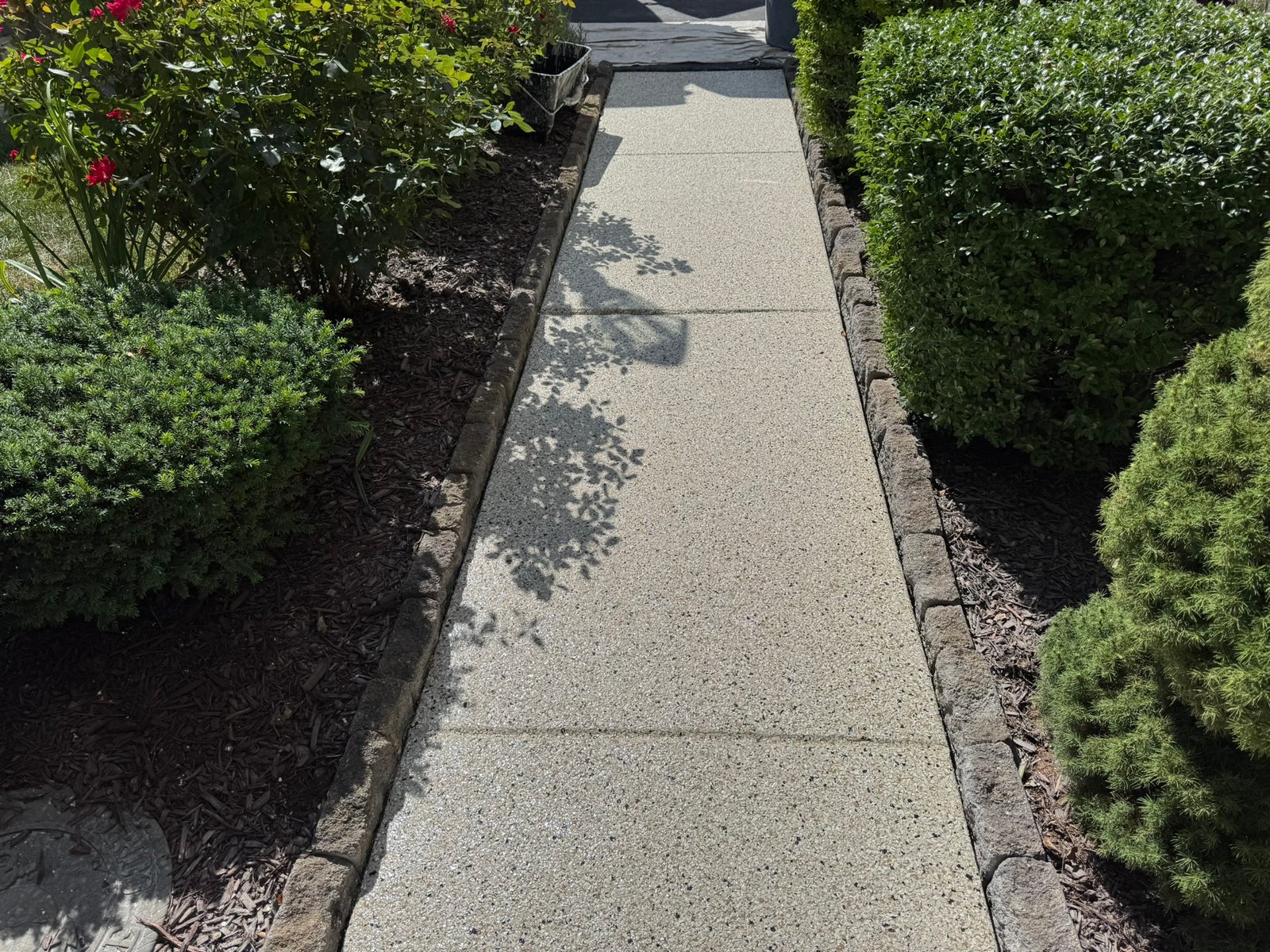
When you look at your garage floor, you probably see one of two things: dull, dusty concrete with a few oil stains, or an old paint job that is chipping away.
Every homeowner in Pennsylvania asks the same question when considering an upgrade: “If I spend money on a floor coating, how long is it actually going to last?”
It is the most important question you can ask. Why? Because the internet is full of misleading information. You see DIY kits at big-box stores promising “lifetime durability” for $200. You see professional installers quoting higher prices for “polyaspartic” systems.
What is the difference?
At FlakePro Coatings, we believe in transparency. In this comprehensive guide, we are going to break down the real life expectancy of epoxy vs. polyaspartic coatings, back it up with industry standards, and explain why the climate in Lancaster and York, PA, creates a graveyard for cheap floor paints.
If you are in a rush, here is the breakdown of what you can realistically expect from different flooring systems in a residential garage environment:
| Flooring System | Estimated Lifespan | The Main Failure Point |
| DIY Water-Based Epoxy | 1 – 3 Years | Hot tire pickup (peeling under tires) |
| Standard Pro Epoxy | 5 – 8 Years | Yellowing (UV damage) & brittleness |
| Polyaspartic Coating | 15 – 20+ Years | Virtually none (wears down slowly over decades) |
The Verdict: While epoxy is a “temporary fix,” a professional polyaspartic floor coating is a “permanent home improvement.”
To understand longevity, we first have to analyze failure. If you search forums like Reddit or The Garage Journal, you will see thousands of posts titled: “My epoxy peeled up after one winter. Help!”
Why does this happen? It comes down to chemistry and preparation.
This is the #1 killer of garage floors. When you drive your car after a commute, your tires are hot—often fueled by friction on asphalt. In summer, they get even hotter.
When you park on a cheap epoxy floor, the heat transfers from the tire to the coating. This heat causes the tire rubber to expand slightly and the pores of the coating to open. When they cool down, the tire contracts and literally “grabs” the coating. When you back out the next morning, you rip the epoxy right off the concrete.
Polyaspartic Difference: Polyaspartic coatings form a thermal bond with the concrete that is chemically resistant to this heat transfer. They simply do not peel under hot tires.
Most DIY kits tell you to clean the floor with acid (muriatic acid) before painting. This is called “acid etching.”
The Expert Opinion:
“Acid etching is the leading cause of coating failure in residential applications. You are introducing water into a porous slab immediately before trying to seal it. As that moisture tries to escape over time, it creates hydrostatic pressure that pushes the coating off the floor.”
— Concrete Network, Industry Authority
So, if epoxy lasts 3-5 years, why does polyaspartic floor coating last 20 years?
Polyaspartic is an aliphatic polyurea. While that sounds like a chemistry lecture, it translates to three physical superpowers that epoxy lacks.
Concrete is not static. It moves. In Pennsylvania, we have freeze-thaw cycles. The ground freezes, the slab lifts slightly. It thaws, the slab settles.
Have you ever seen plastic furniture left outside that turns yellow and brittle? That is UV degradation.
Epoxy is naturally sensitive to UV light. Even inside a garage, indirect sunlight will cause epoxy to “amber” (turn yellow) and chalk over time.
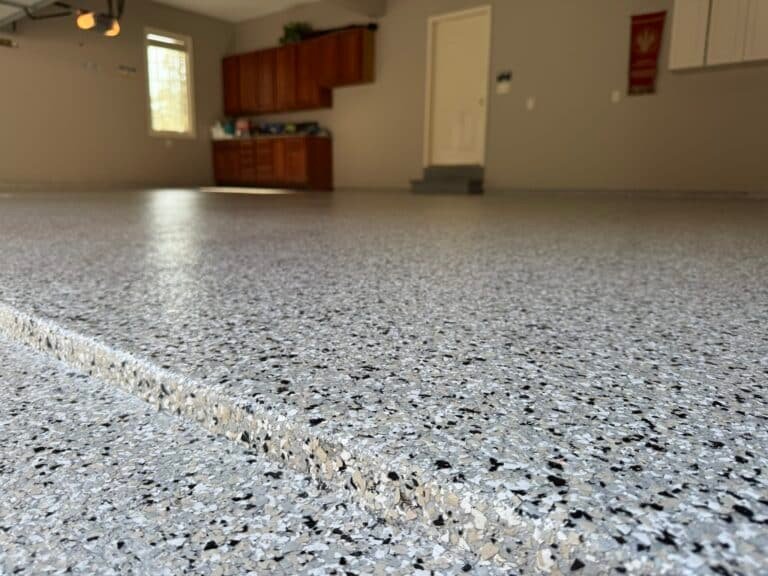
Polyaspartic is UV stable. It is impervious to the sun’s rays. The clear coat we apply over your decorative flakes will remain crystal clear in year 15, ensuring your floor looks brand new.
According to Taber Abrasion Tests (ASTM D4060), which measure how much a coating wears down under friction, polyaspartic coatings are up to 3 to 4 times more abrasion-resistant than standard epoxy. This means dragging a toolbox, a lawnmower, or kids’ bicycles across the floor won’t scratch it deep enough to damage the integrity.
You can read more about the technical standards of concrete protection on the AMPP (Association for Materials Protection and Performance) website.
If you live in California, you might get away with a cheaper floor. In Pennsylvania, the environment is aggressive.
Our service areas—Lancaster, York, Harrisburg, Lititz—experience a unique mix of weather that destroys concrete.
From December to March, your car is a delivery system for brine, magnesium chloride, and rock salt.
When this slush drips onto bare concrete or cheap paint, it creates a chemical reaction. The salt lowers the freezing point of water, allowing it to seep deeper into the concrete pores before freezing. When it finally freezes, it expands by 9%. This internal pressure blows the face off your concrete (spalling).
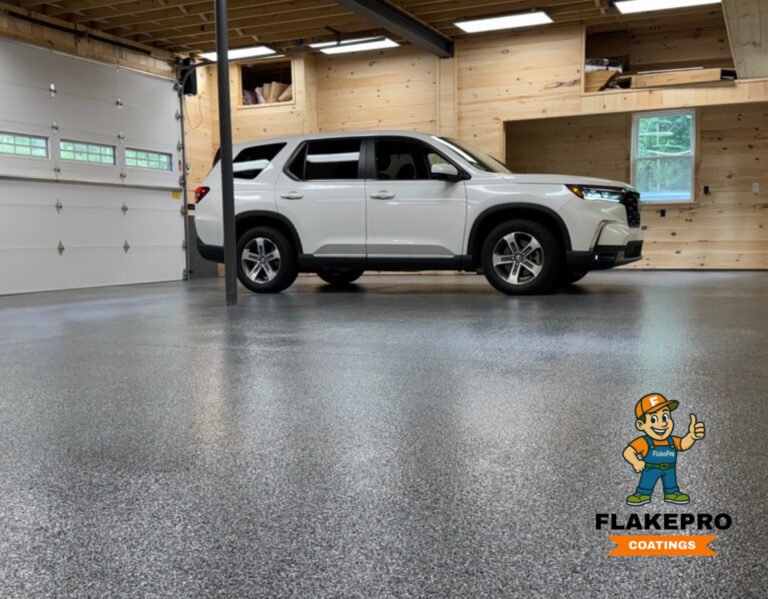
A professional Garage Floor Coating creates a non-porous, impermeable shield. The salt water sits on top of the coating, unable to touch the concrete, until you squeegee it out.
We cannot stress this enough: The product is only 20% of the equation. 80% is the preparation.
You could buy the most expensive military-grade coating in the world, but if you apply it to unprepared concrete, it will fail in months. This is why “1-Day Professional Installers” like FlakePro Coatings are essential.
Here is why our process guarantees longevity:
Let’s talk money. A polyaspartic floor costs more upfront than a DIY kit. But is it actually more expensive?
Scenario A: The DIY Cycle
Scenario B: The Polyaspartic Solution
As the experts at Bob Vila’s Home Advice note: “While DIY kits are tempting for the budget-conscious, the preparation required for a lasting bond is often beyond the capabilities of the average homeowner’s tools.”
Don’t just take our word for it. Here is what happens when locals switch from epoxy to polyaspartic.
“I learned the hard way.” — James D., Harrisburg, PA
“I painted my floor when we moved in. It looked good for a month. Once winter hit, the salt ate right through it, and my tires pulled up two big patches. FlakePro came in, ground off my mess, and put down their flake system. It’s been 4 years and it literally looks like it was installed yesterday.”
“Worth every penny for the cleanup alone.” — Maria S., York, PA
“We have three kids and a muddy driveway. Our garage used to be a dust bowl. The new polyaspartic floor wipes clean with a paper towel. No more concrete dust tracking into the house. The durability is just a bonus for me; the cleanliness is the real win.”
While polyaspartic floors are nearly indestructible, a little care goes a long way. To ensure you hit that 20-year mark:
Q: Can I recoat a polyaspartic floor after 20 years?
A: Yes! You don’t need to rip it out. We can simply lightly sand the top clear coat and apply a fresh layer of clear polyaspartic. It’s a fraction of the cost of a new floor and makes it look brand new again.
Q: Does the warranty cover peeling?
A: At FlakePro Coatings, we are so confident in our mechanical preparation bond that we offer comprehensive warranties against peeling and delamination. Check our warranty page for details.
Q: Is it slippery?
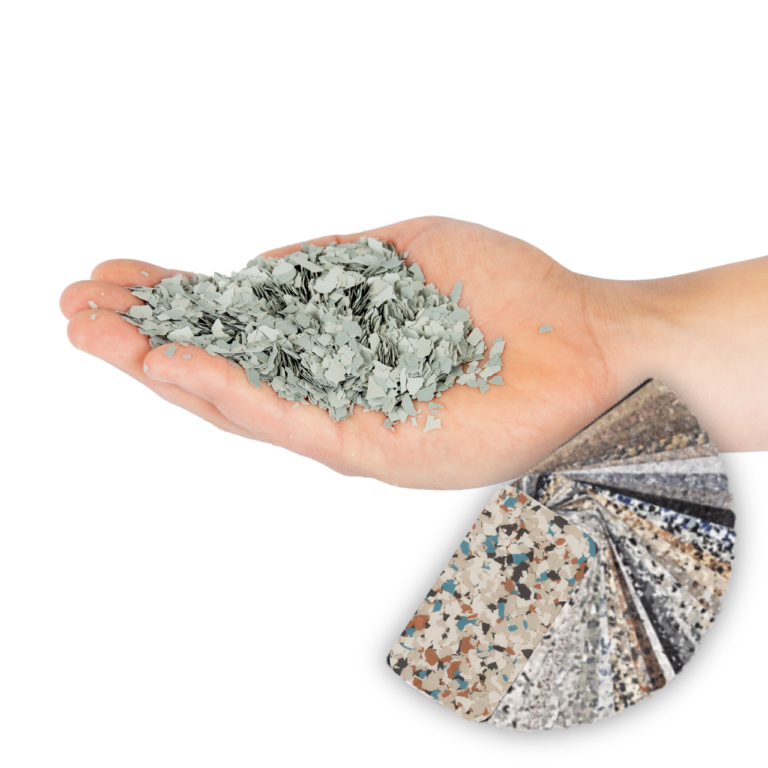
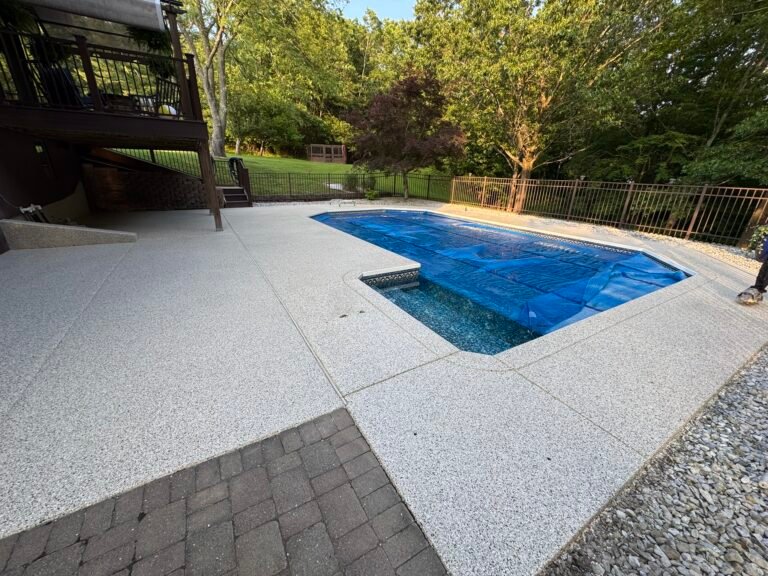
A: A smooth epoxy floor is like ice when wet. Our system includes vinyl flakes and texture. This texture provides grip. For pool decks or steep driveways, we add an extra “anti-slip” aggregate into the final coat for maximum safety.
A garage floor coating is not just decoration. It is protection for one of the largest surfaces in your home.
You have two choices:
Ready to future-proof your concrete?
We serve Lancaster, York, Harrisburg, and surrounding areas.
Get Your Free Estimate Today or call 717-419-5885.